Innovative Thinking for Expo 2025 Osaka Amid Rising Costs and Geotechnical Challenges

By | 未分類

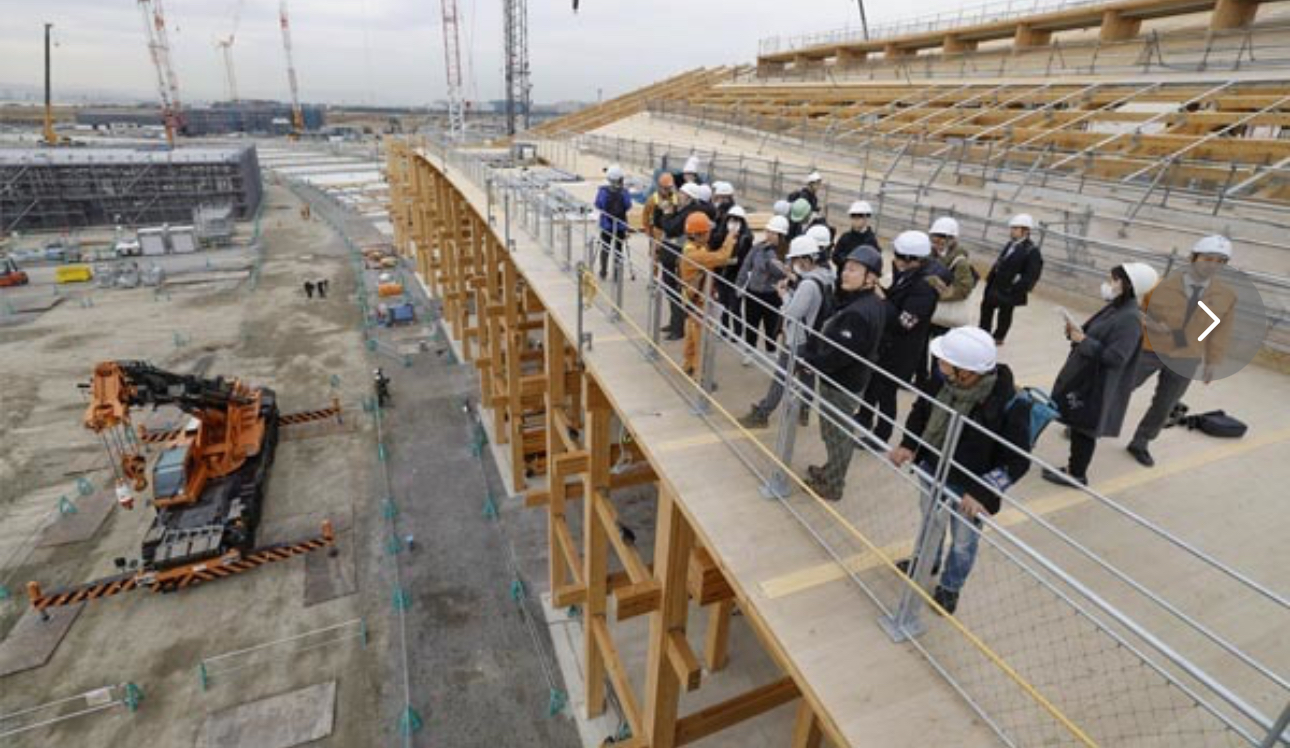
Recent reports have indicated that the construction costs for Expo 2025 Osaka have surged by 1.8 times, yet this figure reportedly excludes the substantial costs for liquefaction and ground improvement measures for the Yumeshima site. Remarkably, there seems to be no available estimates for these significant geotechnical interventions.

As we prepare to welcome visitors from around the world, our hope is to offer them a delightful experience in Japan.

For example The grounds of Osaka Castle are likely among the best in Osaka, chosen by Toyotomi Hideyoshi 400 years ago after meticulous evaluation. It’s not just the optimal transportation access or the safety of the land that makes it special, but also its appeal to both locals and tourists.

With construction already underway in Yumeshima, perhaps we could entertain the idea of a hybrid approach to the Expo. Utilizing Osaka Castle Park or other suitable sites could alleviate land shortages and might even reduce ticket prices, making the event more accessible and enticing to a broader audience.

#Expo2025 #Osaka #ConstructionCosts #GeotechnicalEngineering #Liquefaction #GroundImprovement #SustainableDevelopment #CommunityEngagement #TourismJapan #CulturalEvents #OsakaCastlePark #Accessibility #Affordability #GlobalExpo #InfrastructureInnovation #EventPlanning #PublicInterest

Understanding the Ground Reality: Insights from Expo 2025 Pavilion Construction Guidelines

By | 未分類

Recently, I came across an excerpt from the “Pavilion Type A (Site Handover Method) Design Guidelines,” distributed to foreign pavilion construction teams by the organizers of Expo 2025. The document includes detailed cross-sectional diagrams addressing the geotechnical issues of Yumeshima.

The guidelines openly acknowledge that the ground in Yumeshima is prone to subsidence. Two mitigation strategies are mentioned, but their feasibility appears questionable. This level of detail suggests that the ground conditions of Yumeshima have been well understood among experts for some time.

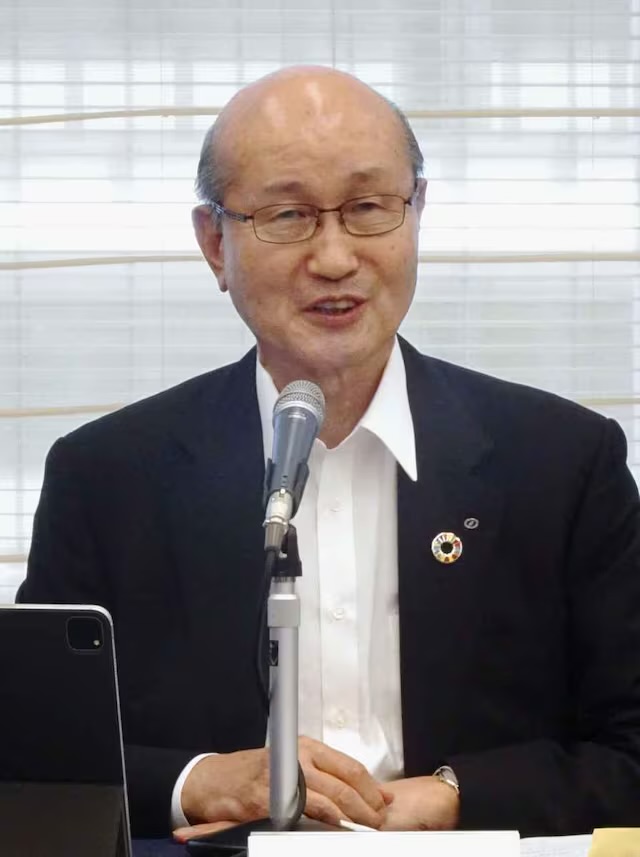
On the other hand, In the last few days, the Governor of Osaka Prefecture and the Minister for the Expo held press conferences broadcasted on Japanese TV. They addressed the nation about the Expo’s construction costs, which have soared to 1.8 times the initial budget. The explanations provided were confined to two factors:

1. The surging prices of building materials.
2. The escalating wages of construction workers.

Interestingly, there was a notable absence of questions from reporters and subsequent answers during the lengthy press conferences. Moreover, there was no mention of the challenges pertaining to Yumeshima’s ground conditions and logistics.

#Expo2025 #PavilionConstruction #GeotechnicalEngineering #Yumeshima #GroundSubsidence #ConstructionChallenges #EngineeringSolutions #SustainableDesign #InfrastructureDevelopment #UrbanPlanning #ExpoOsaka2025 #InternationalEventPlanning #GlobalExhibitionStandards #ConstructionGuidelines #EngineeringInsights

Navigating Unique Challenges at Osaka Expo 2025: The Floating Bridge to Yumeshima

By | 未分類

As we eagerly anticipate the upcoming Osaka Expo 2025, there’s a unique logistical challenge that has caught my attention—the single bridge that connects us to the Yumeshima Expo site. 🌉

To add another layer of complexity, this bridge is retractable to allow for large ships to pass through. Essentially, it’s floating on the water, meaning it can only handle so much weight before it becomes unstable. 🚢

#Expo2025 #OsakaExpo #EngineeringMarvels #FloatingBridge #LogisticalChallenges #TrafficPlanning #CulturalExchange #InnovativeSolutions #GlobalGathering #Yumeshima

Debunking the Myths of Floating Foundations: A Deep Dive into Expo 2025 Pavilion Construction

By | 未分類

I decided to explore the ‘floating foundations’ in greater detail. The photo attached below provides an excerpt from the official Expo Pavilion Construction Guidelines, which state:

1. Excavate the part of the ground that will serve as the foundation for the building. Let’s call the weight of the excavated soil ‘W.’
2. Install the Pavilion in the excavated cavity. The weight of the Pavilion is denoted as ‘P.’
3. Make sure that ‘P’ weighs less than ‘W,’ implying that if you construct a building lighter than the soil you’ve removed, it won’t sink.

However, adhering to these guidelines may result in ground subsidence. The reason is straightforward: there is no ‘buoyancy’ at play. Reports indicate that the Yumeshima area features a 3-meter mound of soil atop a soft clay layer. For buoyancy to function effectively—much like how a ship stays afloat—the object must reach a depth where buoyancy comes into effect.

Interestingly, the Expo guidelines explicitly mention: ‘Do not dig deeper than 2.5 meters.’ This means the Pavilion won’t extend into the clay layer that would allow for buoyancy.

In conclusion, the Pavilion is destined to sink if built according to these guidelines. The assumption that ‘if P is less than W, the ground won’t sink’ is fundamentally flawed.

#Expo2025 #ConstructionChallenges #FloatingFoundations #PavilionConstruction #GroundSubsidence #EngineeringDilemmas