
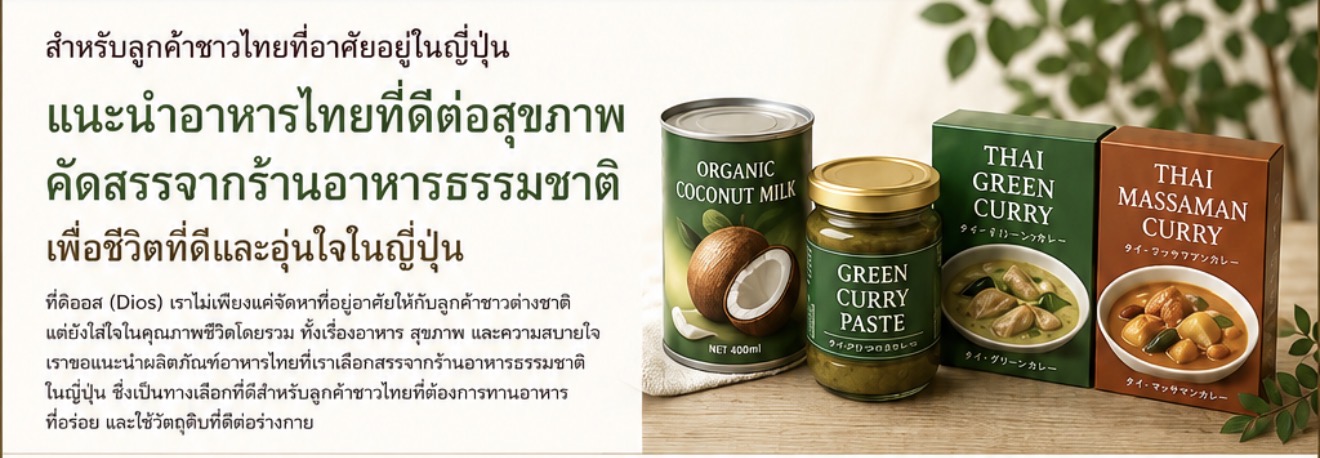
แนะนำผลิตภัณฑ์อาหารไทยที่ดีต่อสุขภาพ
คัดสรรจากร้านอาหารธรรมชาติในญี่ปุ่น
สำหรับลูกค้าชาวไทยที่ใช้ชีวิตอยู่ในญี่ปุ่น อาหารในแต่ละวันเป็นสิ่งสำคัญมาก
แม้จะมีที่อยู่อาศัยที่สะดวกสบาย แต่หากอาหารที่รับประทานทุกวันไม่เหมาะกับร่างกาย ชีวิตในญี่ปุ่นก็อาจไม่สมบูรณ์ในความหมายที่แท้จริง อาหารไม่ใช่เพียงสิ่งที่ทำให้อิ่มท้องเท่านั้น แต่ยังเกี่ยวข้องกับสุขภาพกาย ความสบายใจ และคุณภาพชีวิตในแต่ละวันด้วย
ที่ Dios เราไม่ได้เพียงจัดหาที่อยู่อาศัยให้แก่ลูกค้าชาวต่างชาติเท่านั้น แต่ยังให้ความสำคัญกับคุณภาพชีวิตโดยรวม เพื่อให้การใช้ชีวิตในญี่ปุ่นเป็นไปอย่างปลอดภัย สบายใจ และมีสุขภาพที่ดีมากยิ่งขึ้น
ในบทความนี้ เราขอแนะนำผลิตภัณฑ์อาหารไทยบางรายการที่พบในร้านอาหารธรรมชาติในญี่ปุ่น ซึ่งอาจเป็นทางเลือกที่ดีสำหรับลูกค้าชาวไทยที่ต้องการลิ้มรสอาหารไทยโดยใส่ใจเรื่องวัตถุดิบมากขึ้น
ผลิตภัณฑ์อาหารไทยที่พบในร้านอาหารธรรมชาติ
ครั้งนี้เราขอแนะนำผลิตภัณฑ์ต่อไปนี้
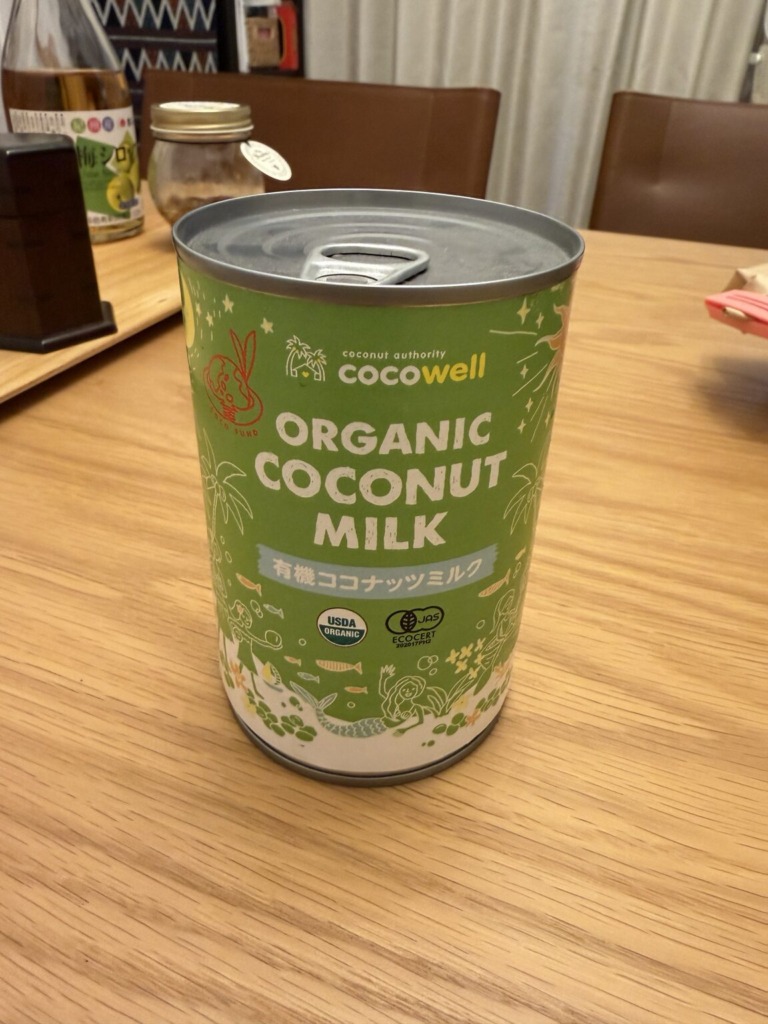
- กะทิออร์แกนิก
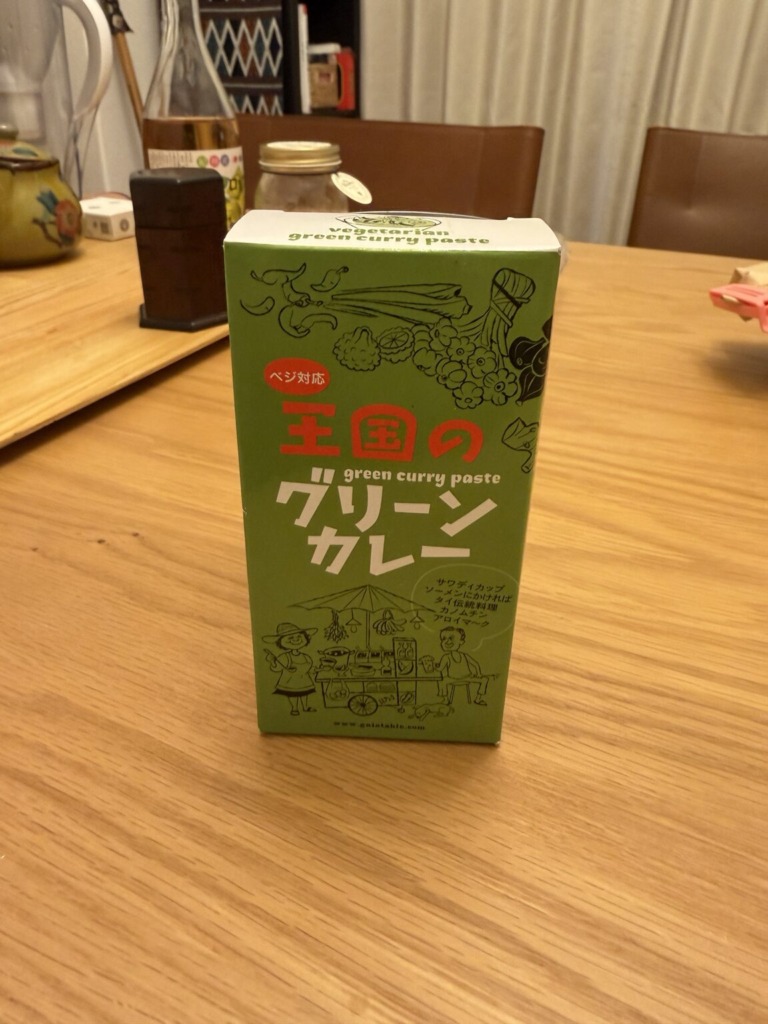
- พริกแกงเขียวหวาน
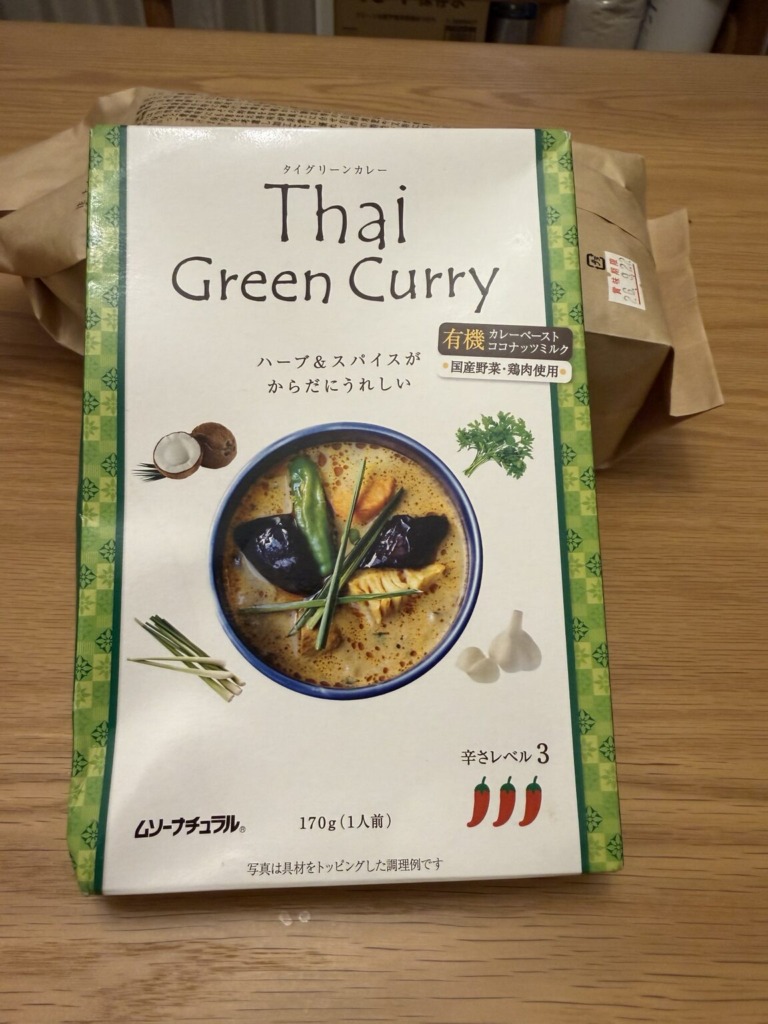
- แกงเขียวหวานพร้อมทาน
- แกงมัสมั่นพร้อมทาน
ผลิตภัณฑ์เหล่านี้แตกต่างจากอาหารสำเร็จรูปทั่วไปหรืออาหารจากร้านสะดวกซื้ออยู่เล็กน้อย เพราะคัดเลือกวัตถุดิบอย่างใส่ใจ เช่น กะทิออร์แกนิก พริกแกงออร์แกนิก ผักที่ปลูกในญี่ปุ่น และเนื้อไก่จากญี่ปุ่น
แน่นอนว่า รสชาติอาจไม่เหมือนอาหารที่รับประทานในประเทศไทยทุกประการ แต่สำหรับผู้ที่อาศัยอยู่ในญี่ปุ่นและอยากเพลิดเพลินกับรสชาติอาหารไทยโดยเลือกใช้วัตถุดิบที่ดูเป็นธรรมชาติมากขึ้น ผลิตภัณฑ์เหล่านี้ถือเป็นทางเลือกที่น่าสนใจ
โดยเฉพาะกะทิและพริกแกง ถือเป็นส่วนประกอบสำคัญของอาหารไทย เมื่อใช้ชีวิตอยู่ในญี่ปุ่น บางครั้งอาจหาวัตถุดิบแบบไทยแท้ได้ไม่ง่ายนัก การรู้จักสินค้าที่มีคุณภาพจากร้านอาหารธรรมชาติจึงช่วยให้การใช้ชีวิตประจำวันสะดวกและมั่นใจมากขึ้น
การได้รู้จักแนวคิดของคุณหมอโยชิสุเกะ ยานาเสะ
ผลิตภัณฑ์เหล่านี้พบในร้านอาหารธรรมชาติแห่งหนึ่งในเมืองโกะโจ จังหวัดนารา
ร้านแห่งนี้มีความเกี่ยวข้องอย่างลึกซึ้งกับแนวคิดของคุณหมอโยชิสุเกะ ยานาเสะ ซึ่งเป็นแพทย์ผู้ใช้เวลาทั้งชีวิตศึกษาและไตร่ตรองถึงผลกระทบของสารเคมีทางการเกษตร สารเติมแต่งอาหาร อาหารการกิน และสภาพแวดล้อมการใช้ชีวิตที่มีต่อสุขภาพของมนุษย์
แนวคิดของท่านไม่ได้มีเพียงการ “หลีกเลี่ยงสารเคมี” หรือ “หลีกเลี่ยงสารเติมแต่ง” เท่านั้น แต่เป็นการมองชีวิตมนุษย์อย่างองค์รวม ทั้งด้านการแพทย์ การเกษตร ดิน น้ำ อาหาร สิ่งแวดล้อม และแม้แต่สภาพจิตใจ
แทนที่จะคิดถึงสุขภาพเฉพาะเมื่อเจ็บป่วยแล้วเท่านั้น ท่านเน้นให้กลับมาทบทวนวิธีใช้ชีวิต การกินอยู่ในแต่ละวัน และการให้ความสำคัญกับธรรมชาติและความสมดุลของชีวิต
แนวคิดเช่นนี้ยังคงมีคุณค่าอย่างมากสำหรับผู้คนที่ใช้ชีวิตอยู่ในญี่ปุ่นในยุคปัจจุบัน
สิ่งสำคัญในการเลือกอาหารในญี่ปุ่น
ญี่ปุ่นเป็นประเทศที่มีภาพลักษณ์ด้านความสะอาดและความปลอดภัยสูง และในความเป็นจริง อาหารจำนวนมากก็ได้รับการควบคุมตามกฎหมายและมาตรฐานต่าง ๆ
อย่างไรก็ตาม ในวิถีชีวิตสมัยใหม่ของญี่ปุ่นก็ยังมีสิ่งที่ควรระวังอยู่เช่นกัน อาหารจากร้านสะดวกซื้อ อาหารแปรรูป เครื่องดื่มหวาน ขนมขบเคี้ยว อาหารสำเร็จรูป และอาหารกึ่งสำเร็จรูปต่าง ๆ มีความสะดวกมาก แต่หากรับประทานเป็นประจำทุกวัน ก็อาจทำให้ได้รับเกลือ น้ำตาล น้ำมัน และสารเติมแต่งสะสมมากเกินไป
นี่ไม่ได้หมายความว่าอาหารที่วางขายทั่วไปทั้งหมดไม่ดี สิ่งสำคัญคือ การพิจารณาว่าเรารับประทานอะไรเป็นประจำ และเลือกสิ่งใดให้เป็นส่วนหนึ่งของชีวิตประจำวัน
มุมมองของ Dios ต่อ “ที่อยู่อาศัย” และ “อาหาร”
Dios ให้บริการที่อยู่อาศัยพร้อมเฟอร์นิเจอร์แก่ลูกค้าชาวต่างชาติ แต่เราไม่ได้มองบ้านว่าเป็นเพียงห้องพักเท่านั้น
บ้านคือสถานที่สำหรับนอนหลับ รับประทานอาหาร พักฟื้นร่างกาย และทำให้จิตใจสงบลง ภายในพื้นที่นั้น ไม่ว่าจะเป็นน้ำที่ดื่ม อาหารที่รับประทาน หรืออากาศที่หายใจ ล้วนมีผลต่อสุขภาพของผู้อยู่อาศัย
สำหรับลูกค้าชาวไทยที่ใช้ชีวิตอยู่ในญี่ปุ่น อาหารยิ่งเป็นเรื่องสำคัญ อาหารไทยมีวัฒนธรรมที่อุดมสมบูรณ์ ทั้งสมุนไพร เครื่องเทศ กะทิ ผัก น้ำปลา และพริก การได้ลิ้มรสชาติที่คุ้นเคย แม้จะอยู่ต่างประเทศ ก็ช่วยให้รู้สึกอบอุ่นและสบายใจมากขึ้น
ด้วยเหตุนี้ Dios จึงให้ความสำคัญไม่เพียงแต่ที่อยู่อาศัย แต่รวมถึงอาหาร สุขภาพ ของใช้ในชีวิตประจำวัน ความสะอาด อากาศ และเครื่องนอน เพื่อยกระดับคุณภาพชีวิตโดยรวม
จุดเด่นของผลิตภัณฑ์ที่แนะนำ
กะทิออร์แกนิก
เป็นกะทิจากมะพร้าวออร์แกนิก เหมาะสำหรับใช้ทำแกงไทย ซุป หรือของหวาน ให้กลิ่นและรสของมะพร้าวอย่างเป็นธรรมชาติ
กะทิเป็นอาหารที่มีไขมันค่อนข้างสูง จึงไม่เหมาะสำหรับดื่มในปริมาณมาก แต่เหมาะมากสำหรับใช้เป็นส่วนผสมในการประกอบอาหาร
พริกแกงเขียวหวาน
ทำจากพริกเขียว ตะไคร้ ข่า ผิวมะกรูด และเครื่องเทศต่าง ๆ ให้กลิ่นหอมแบบสมุนไพรและเครื่องเทศตามธรรมชาติ
อย่างไรก็ตาม พริกแกงบางชนิดอาจมีรสเค็มค่อนข้างมาก จึงควรใช้ในปริมาณที่เหมาะสม
แกงเขียวหวานพร้อมทาน
เป็นแกงเขียวหวานแบบพร้อมทานที่ใช้กะทิออร์แกนิก พริกแกงออร์แกนิก ผักจากญี่ปุ่น และเนื้อไก่
เหมาะสำหรับวันที่ยุ่งและไม่มีเวลาทำอาหารมากนัก แต่ยังต้องการรับประทานอาหารไทยในรูปแบบที่ค่อนข้างใส่ใจเรื่องวัตถุดิบ
อย่างไรก็ตาม เนื่องจากมีส่วนผสมของปลาและไก่ ผู้ที่เป็นมังสวิรัติ หรือผู้ที่ต้องการอาหารฮาลาล ควรตรวจสอบส่วนประกอบอย่างละเอียดก่อน
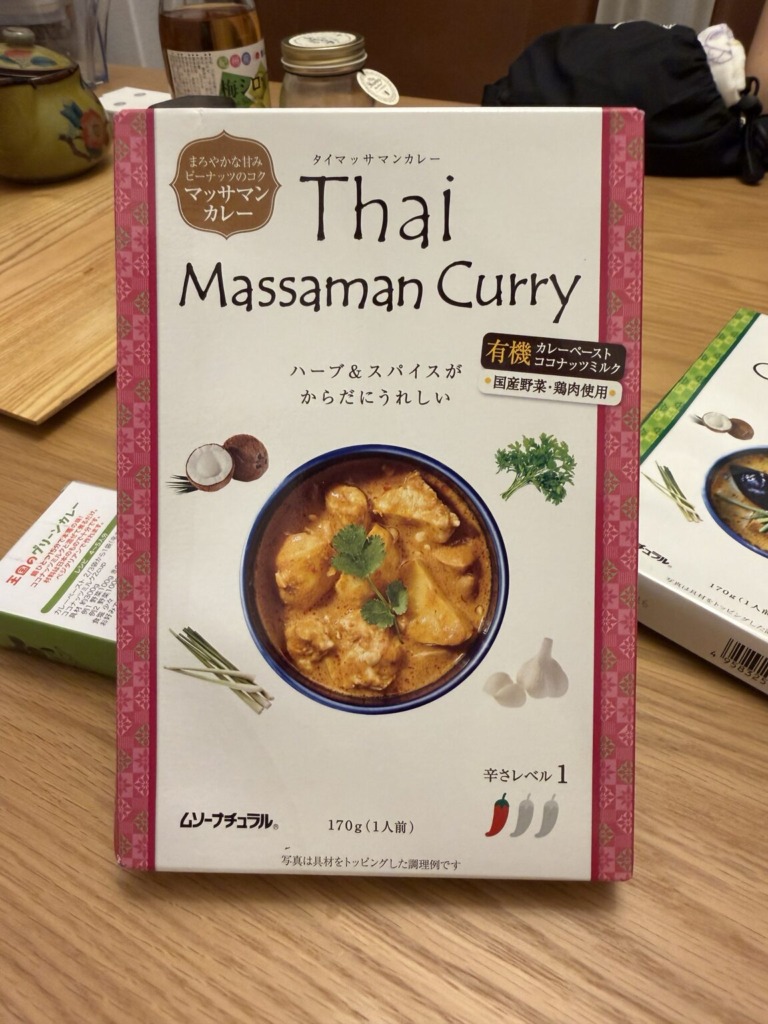
แกงมัสมั่นพร้อมทาน
แกงมัสมั่นเป็นแกงไทยที่มีรสชาตินุ่มนวล กลมกล่อม จากกะทิ เครื่องเทศ และถั่ว
ผลิตภัณฑ์นี้ก็ใช้กะทิออร์แกนิกและพริกแกงออร์แกนิกเช่นกัน จึงให้ความรู้สึกแบบร้านอาหารธรรมชาติที่เลือกสินค้ามาอย่างตั้งใจ
แต่เนื่องจากมีส่วนผสมของถั่วลิสงและเม็ดมะม่วงหิมพานต์ ผู้ที่แพ้ถั่วควรระมัดระวัง
ข้อควรระวังสำหรับลูกค้าชาวไทย
แม้ผลิตภัณฑ์เหล่านี้จะเป็นสินค้าที่คัดสรรจากร้านอาหารธรรมชาติอย่างดี แต่ก็ไม่ได้เหมาะสำหรับทุกคนโดยไม่มีเงื่อนไข
โปรดระวังเรื่องต่อไปนี้
- บางผลิตภัณฑ์อาจไม่มีการรับรองฮาลาล
- บางชนิดมีส่วนผสมของไก่ น้ำปลา ถั่วลิสง หรือเม็ดมะม่วงหิมพานต์
- ผู้ที่เป็นมังสวิรัติ วีแกน มุสลิม หรือมีอาการแพ้อาหาร ควรตรวจสอบส่วนประกอบทุกครั้ง
ที่ Dios เราเชื่อว่า แม้แต่การแนะนำอาหารก็ควรคำนึงถึงศาสนา สุขภาพ อาการแพ้ และวัฒนธรรมการกินของลูกค้าแต่ละท่านด้วย
 ความตั้งใจของ Dios
สำหรับลูกค้าชาวไทยที่ใช้ชีวิตอยู่ในญี่ปุ่น เราเชื่อว่าการมีเพียงที่อยู่อาศัยที่สะดวกสบายอย่างเดียวยังไม่เพียงพอ
การมีบ้านที่ดี อาหารที่ไว้วางใจได้ พื้นที่ที่สะอาดและเป็นระเบียบ และคนที่สามารถให้คำปรึกษาได้เมื่อมีปัญหา สิ่งเหล่านี้รวมกันจึงจะทำให้ชีวิตในญี่ปุ่นมีความสมบูรณ์และมั่นคงอย่างแท้จริง
คุณหมอโยชิสุเกะ ยานาเสะ มองชีวิตมนุษย์อย่างองค์รวม ทั้งการแพทย์ การเกษตร อาหาร สิ่งแวดล้อม และจิตใจ Dios เองก็เรียนรู้จากแนวคิดเช่นนั้น และต้องการสนับสนุนลูกค้าชาวต่างชาติไม่เพียงในเรื่องที่อยู่อาศัย แต่ในเรื่องคุณภาพชีวิตโดยรวมด้วย
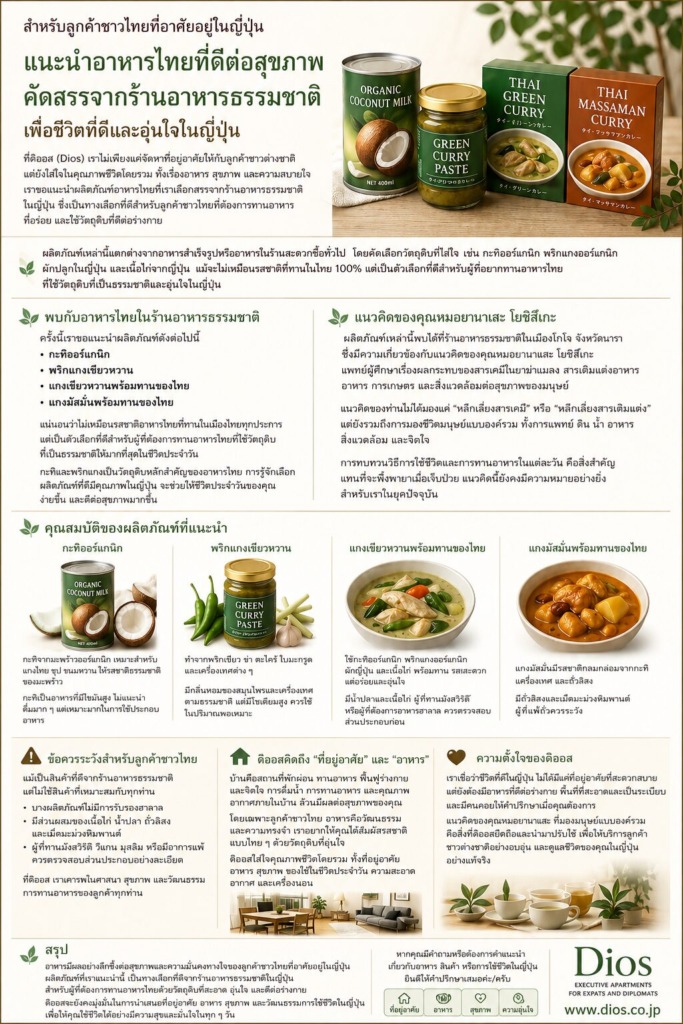
สรุป
สำหรับลูกค้าชาวไทยที่อาศัยอยู่ในญี่ปุ่น อาหารมีความเกี่ยวข้องอย่างลึกซึ้งกับทั้งสุขภาพกายและความสบายใจ
กะทิออร์แกนิก พริกแกงเขียวหวาน แกงเขียวหวานพร้อมทาน และแกงมัสมั่นพร้อมทาน ที่แนะนำในครั้งนี้ เป็นหนึ่งในทางเลือกที่ดีสำหรับผู้ที่ต้องการเพลิดเพลินกับรสชาติอาหารไทยในญี่ปุ่น โดยใส่ใจเรื่องวัตถุดิบมากขึ้น
แม้อาจไม่เหมือนรสชาติในประเทศไทยทุกประการ แต่สำหรับผู้ที่ต้องการอาหารไทยในญี่ปุ่นที่ให้ความรู้สึกมั่นใจมากขึ้นในเรื่องส่วนผสมและการคัดสรรสินค้า ผลิตภัณฑ์เหล่านี้ถือว่าน่าสนใจมาก
Dios จะยังคงมุ่งมั่นในการนำเสนอแนวทางการใช้ชีวิตในญี่ปุ่นที่ดีขึ้นสำหรับลูกค้าชาวต่างชาติ ทั้งในด้านที่อยู่อาศัย อาหาร สุขภาพ และวัฒนธรรมการดำเนินชีวิตต่อไป
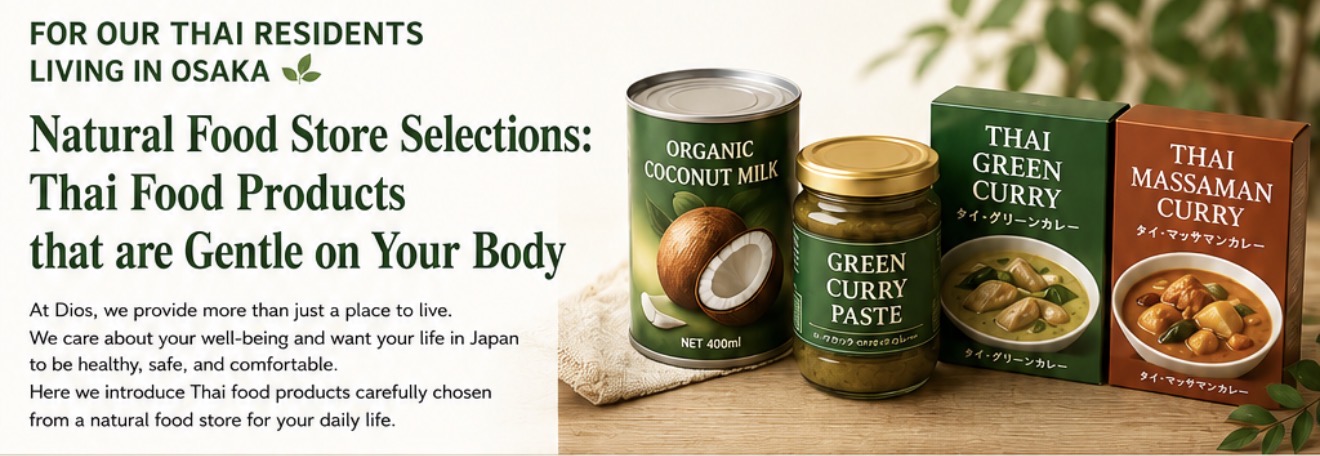
 Green Curry Paste
 Thai Green Curry
 Thai Massaman Curry