Exploring the Rich Artistic Heritage of Kyoto’s Shijo Street

By | 未分類

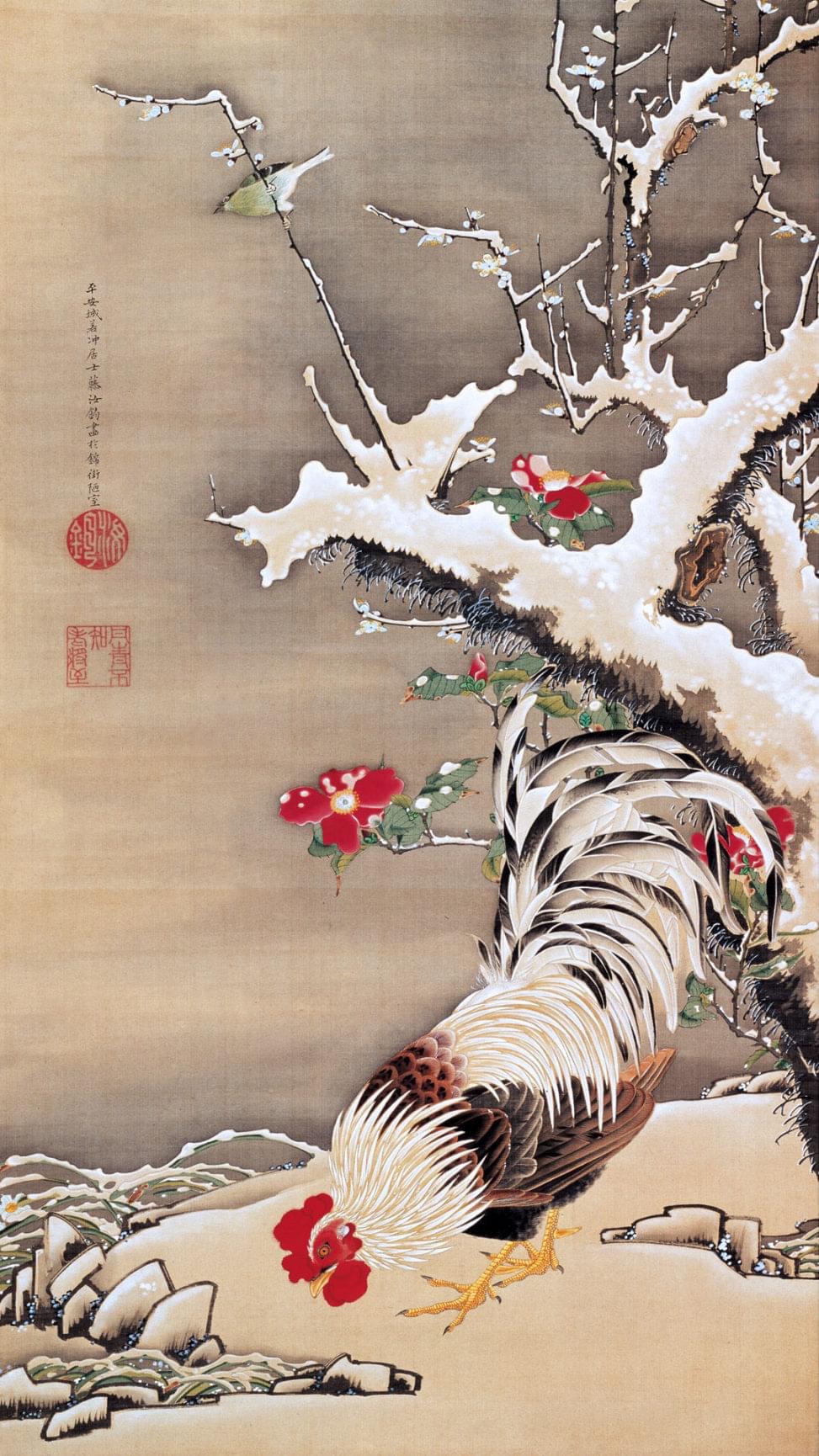
The Edo period (1603-1868) in Japan witnessed the rise of many remarkable artists, among whom Ito Jakuchu (1716-1800) holds a special place. Known for his unique style and rich use of color, Jakuchu’s works continue to inspire awe and admiration. Living on Kyoto’s Shijo Street, he might have crossed paths with another great painter of his era, Nagasawa Rosetsu, who also resided on the same street.

Today, Shijo Street, just a few hundred meters long, is lined with souvenir shops for foreign tourists. At first glance, these shops might appear ordinary and outdated, yet, upon closer inspection, one discovers stores with remarkable design and rich historical backgrounds. This blend of the old and the new, where history meets contemporary design, is what makes Shijo Street uniquely captivating.

In my quest to bring the essence of Japan’s rich cultural heritage into the homes of our foreign clients, I find myself drawn to these shops on Shijo Street. Here, amidst the bustling tourist trail, are treasures of interior decor that not only reflect the traditional artistry of Japan but also resonate with modern aesthetics. Each piece sourced from these stores carries with it a story, a piece of history, and a touch of the artistic genius that once roamed these streets. It’s in these artifacts that the spirit of Ito Jakuchu and the legacy of Shijo Street continue to live on, bringing timeless elegance to contemporary living spaces.

#ItoJakuchu #JapaneseArt #KyotoHeritage #CulturalExploration #InteriorDesign #ShijoStreet #ArtisticLegacy #EdoPeriodArt #TraditionMeetsModern #InspirationInEveryCorner
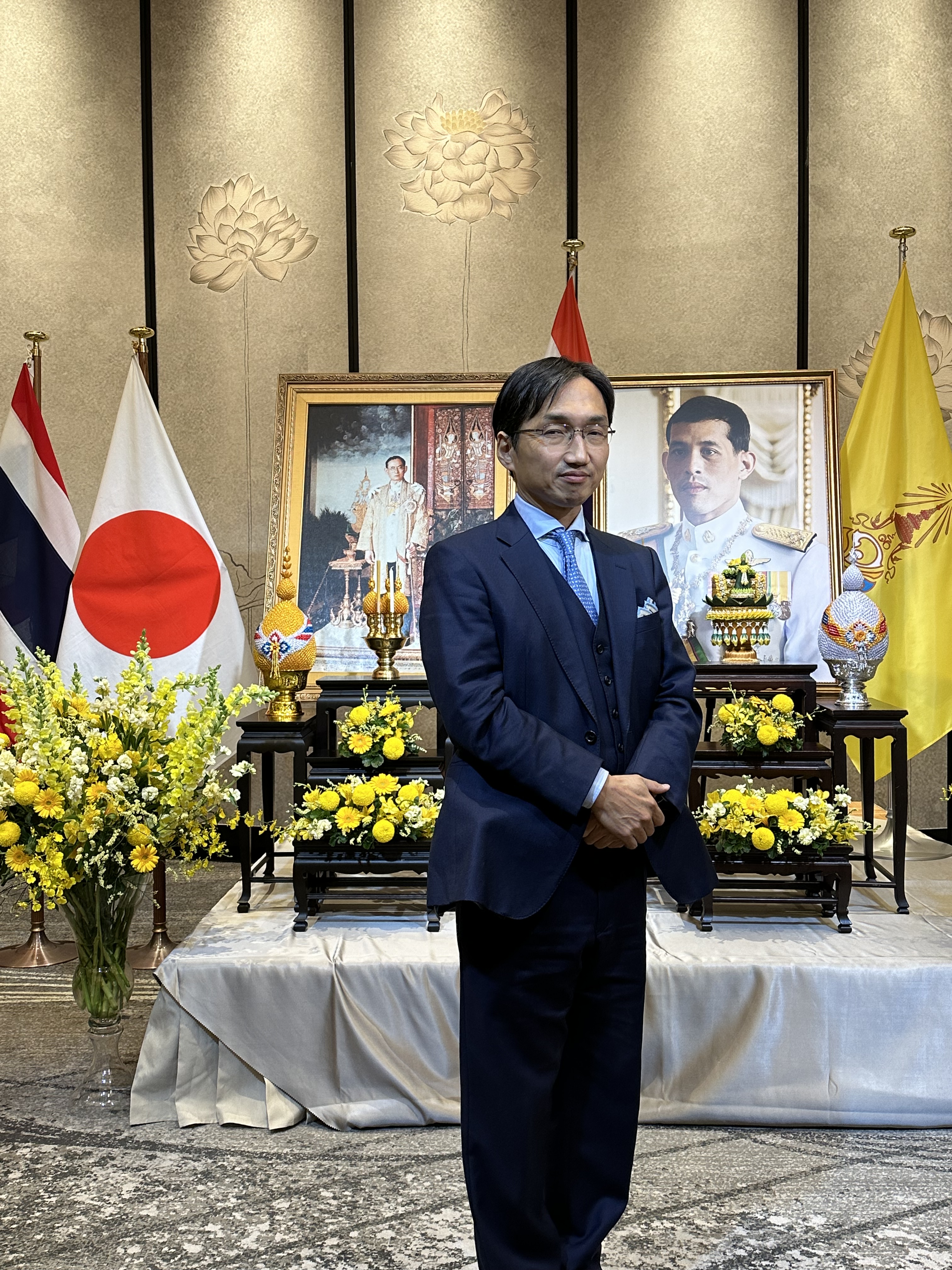
Celebrating the Thai King’s Birthday with Esteemed International Guests

By | 未分類

Last night, We had the honor of attending the reception for the birthday of the King of Thailand. It was a delightful experience to mingle with our foreign clients, all of whom I find to be truly exceptional individuals. They are well-educated and possess outstanding personal qualities.

One thing I noticed is the pride that Thai people have in being citizens of the Kingdom of Thailand. Additionally, they are extremely delighted when Japanese and other foreigners speak Thai, a gesture of respect and connection that transcends cultural barriers.

Representatives from various countries were present to pay their respects to the Thai Kingdom. Despite their busy schedules in Japan, I hope they take the time to immerse themselves in Japanese culture and history and enjoy some leisurely tourism. It’s a wonderful opportunity to deepen international relationships and understanding.

#ThaiKingdom #CulturalDiplomacy #InternationalRelations #CrossCulturalExchange #Respect #GlobalCommunity #Networking #CulturalAppreciation #Japan #ThaiCulture

Addressing Challenges in Real Estate and Expo Pavilion Construction

By | 未分類


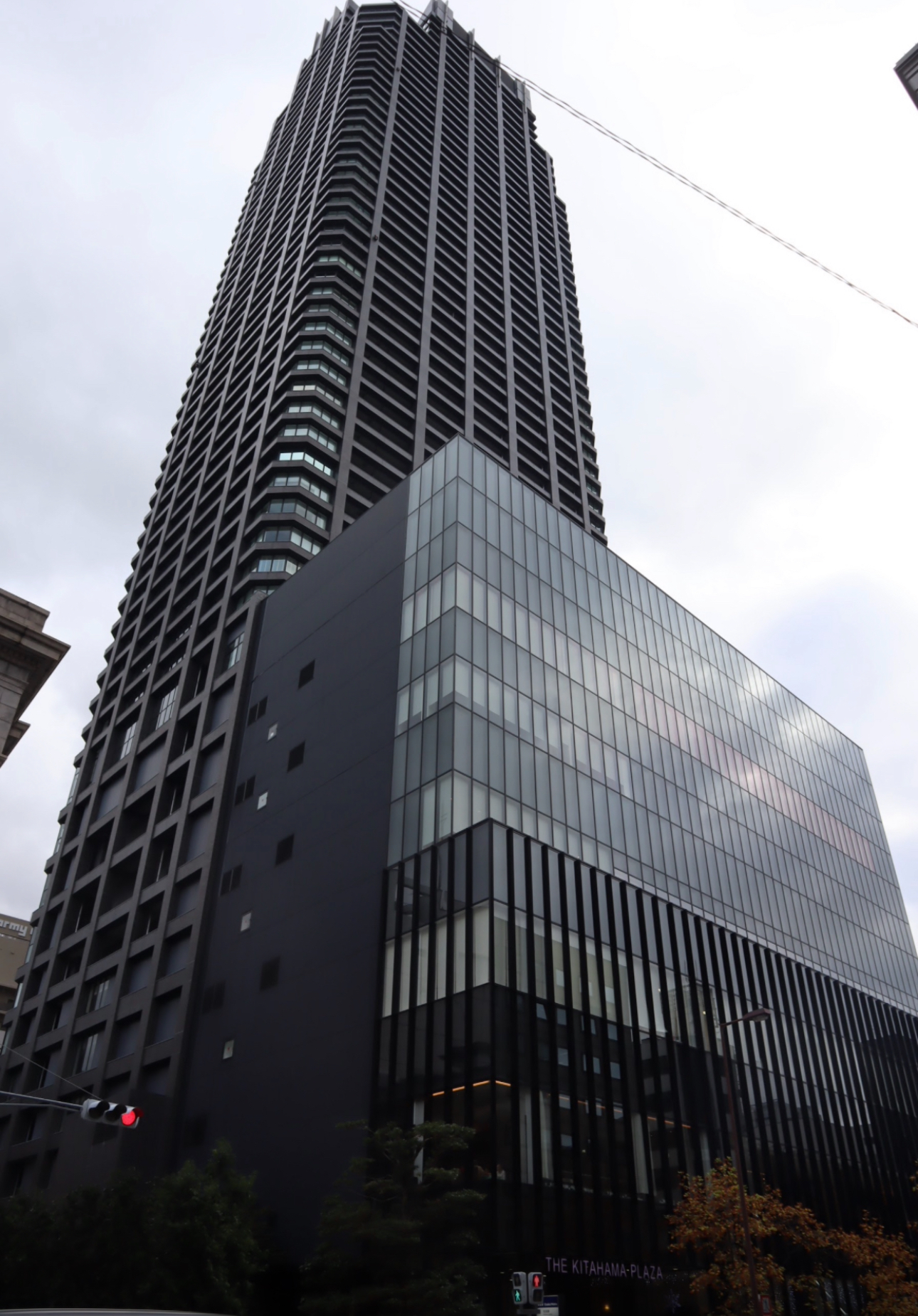
he photo is of The Kitahama, a residential building our company leases to foreign diplomats.

Recently, a friend reached out to me via LINE, concerned about a news report regarding an incident at the Yokohama Arena, managed by a Tokyo-based real estate firm specializing in foreign clientele.

He questioned, “Why do such terrible incidents frequently occur in the real estate sector?”

My clientele mainly comprises foreign governments and multinational corporations, known for their impeccable manners and integrity. We’ve never encountered fraud or similar issues.

I explained to my friend that real estate transactions often involve high stakes and complex dealings, making the field susceptible to fraudulent activities and disputes. The physical nature of real estate, entangled with intricate legal rights and land issues, often becomes a ground for conflict.

Understanding dawned upon him as he responded with a simple “I see.”

Expert opinions suggest that the stagnation in the construction of foreign pavilions for the Osaka Expo is largely due to numerous brokers mediating between foreign governments and Japanese construction companies.

If this is indeed the case, a critical examination and restructuring of these intermediary broker roles might be essential for progress.

#RealEstateIntegrity #Expo2025 #OsakaExpo #ConstructionChallenges #BrokerMediation #BuildingTrust #ProjectManagement #GlobalStandards

The Heart and Soul of Traditional Beliefs

By | Expo Osaka 2025

In Japan, the most extraordinary element is its forests. The Japanese have a long history of cherishing the trees in their forests.

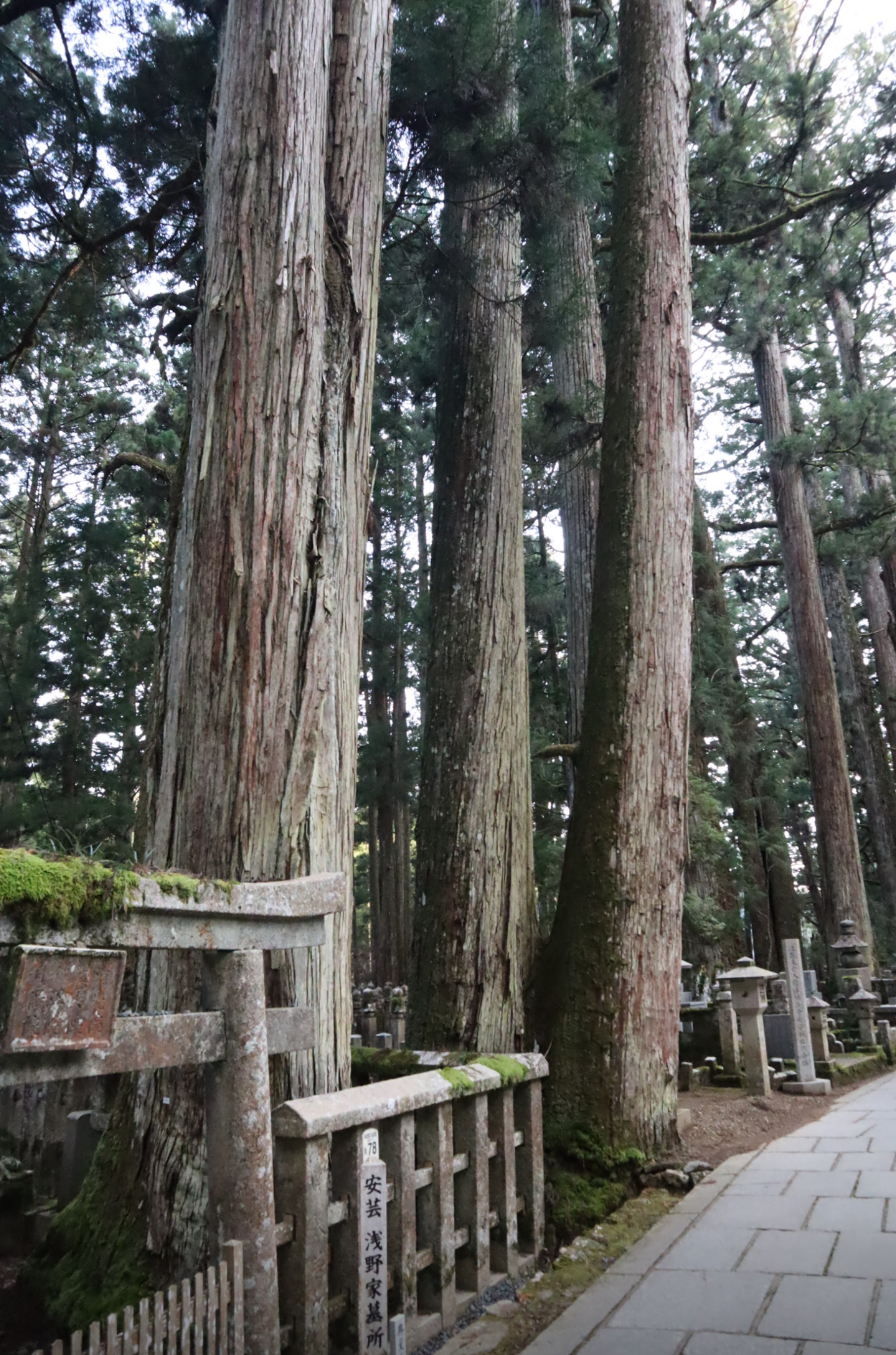
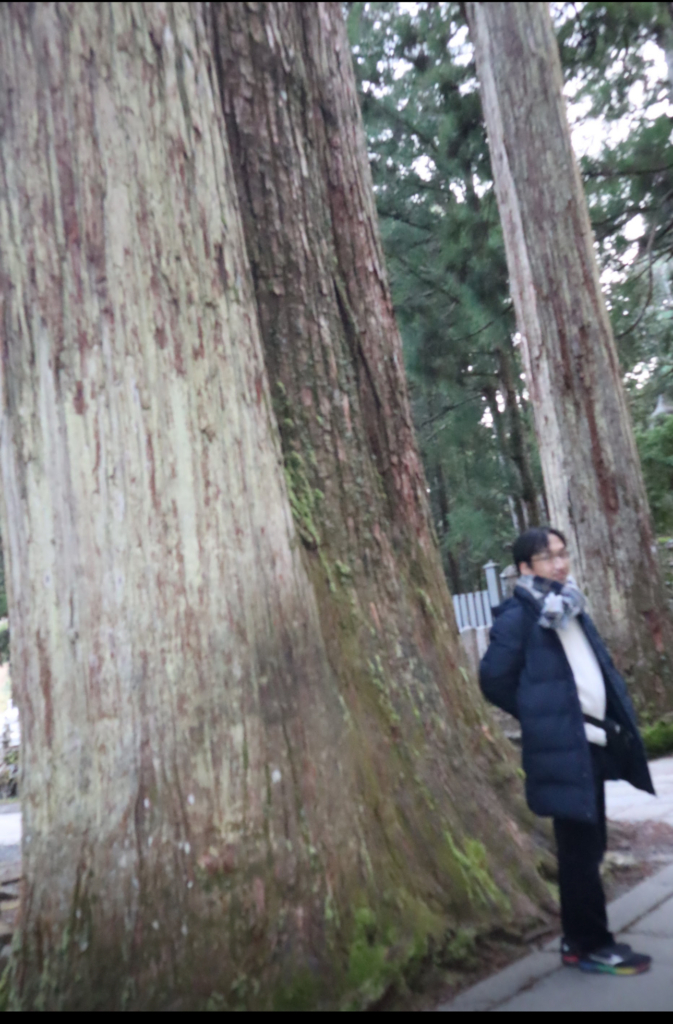
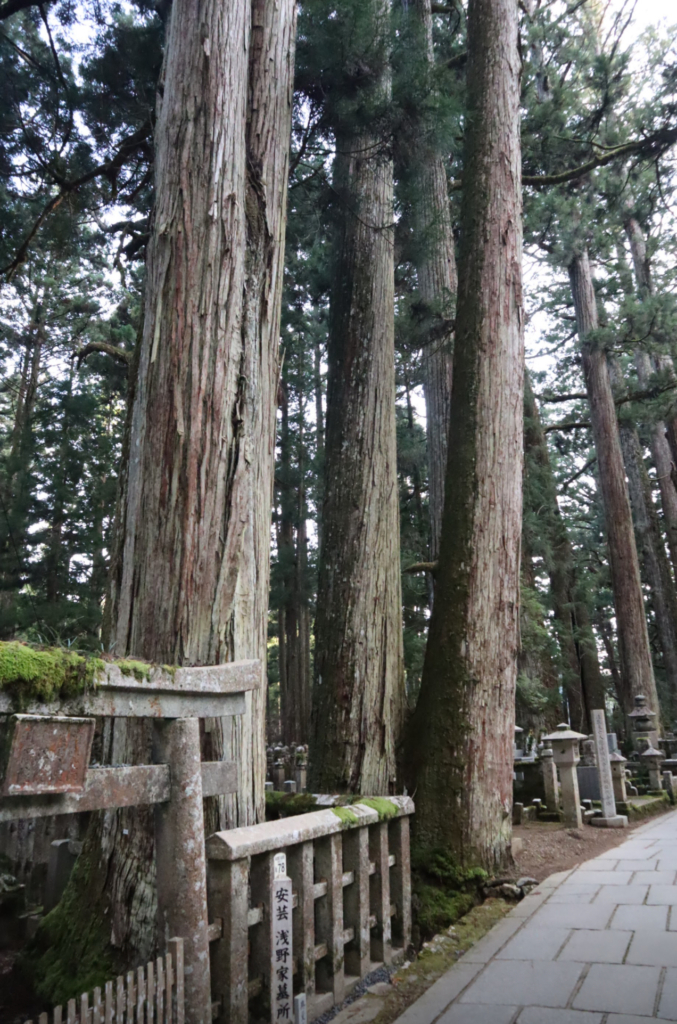
The photo I am sharing was taken in Koyasan, a central monastery of Japanese Esoteric Buddhism located in a forest within the mountains of Wakayama Prefecture. In contrast to European churches located in city centers, the focal point of Japanese faith is nestled in remote forests.

The Japanese believe that forests are sacred, home to divine spirits. Destroying forests is not just an environmental concern, but a breach of spiritual sanctity. There is a strong belief that cutting down forest trees angers the gods and brings curses upon humans.

By 2050, it’s said that all the world’s rainforests might disappear. Humanity cannot survive without the greenery. Thus, halting the destruction of forests is a crucial task for the survival of humankind. Japan’s traditional religious beliefs and the philosophy of forest reverence could play a pivotal role in this rescue mission.

Yet, for the Osaka Expo, there are plans to transplant 1,500 trees to Yumeshima. Considering the sea breeze and the challenges of transplanting grown trees, this seems impractical.

Japan is blessed with magnificent forests. I urge our international visitors to explore not Yumeshima, but the revered and historical forests of Koyasan, Ise Jingu, and many others.

Hearing such news about the Expo, I am left speechless and dismayed at the lack of regard for Japan’s treasured natural heritage.

#JapaneseForests #EnvironmentalConservation #TraditionalBeliefs #SpiritualSanctity #Koyasan #IseJingu #OsakaExpo #EnvironmentalCrisis #NaturePreservation #CulturalHeritage